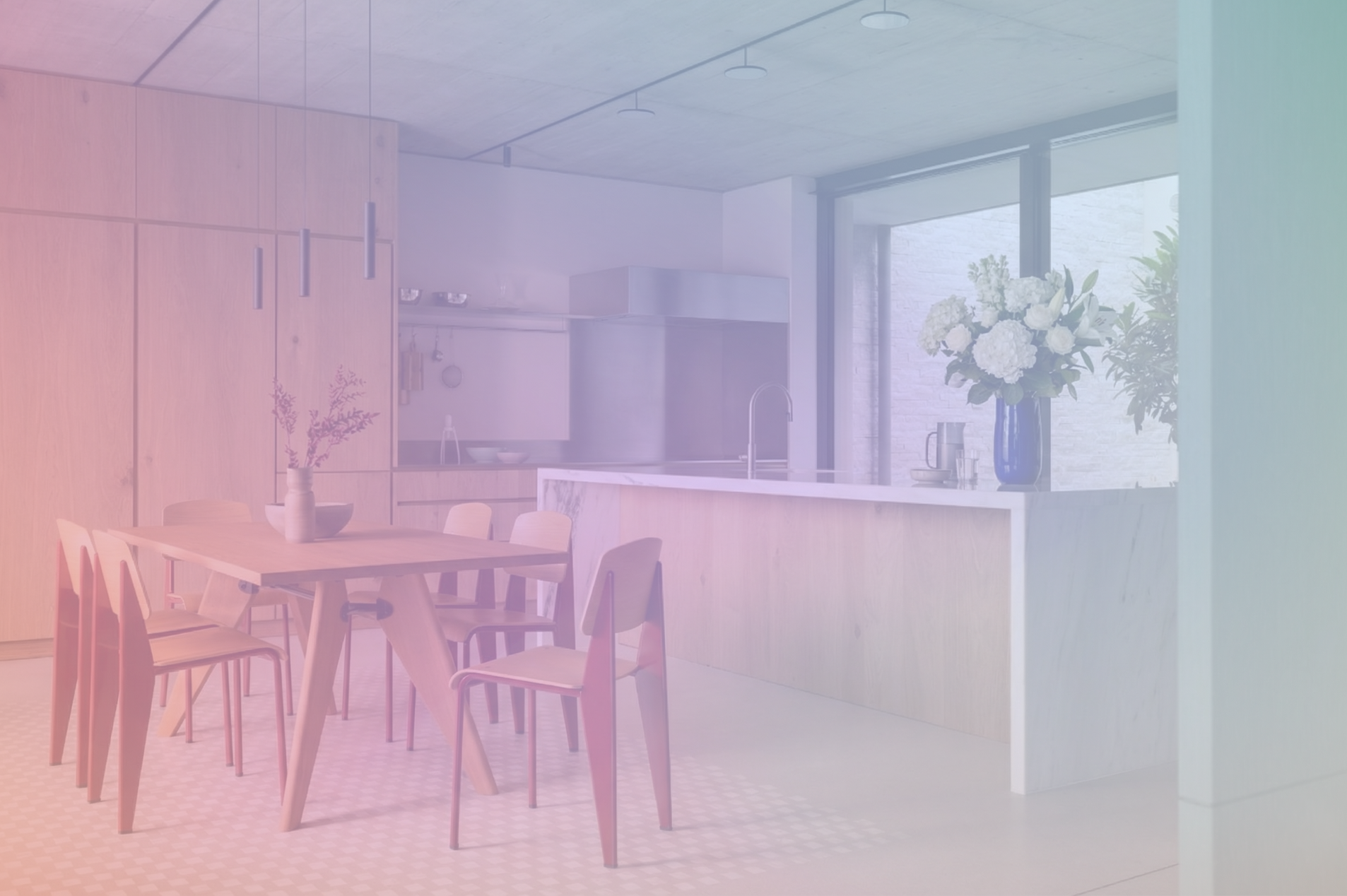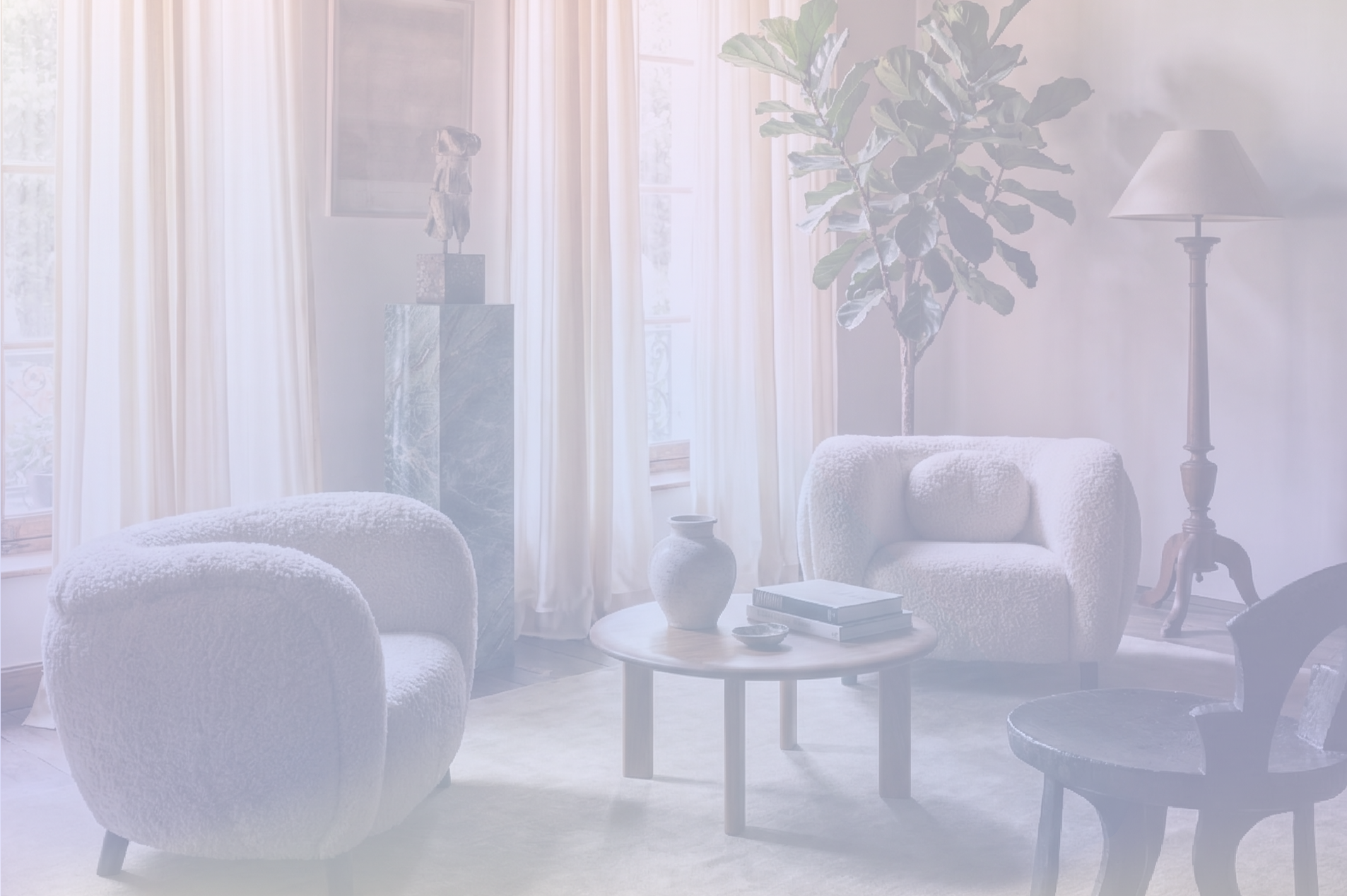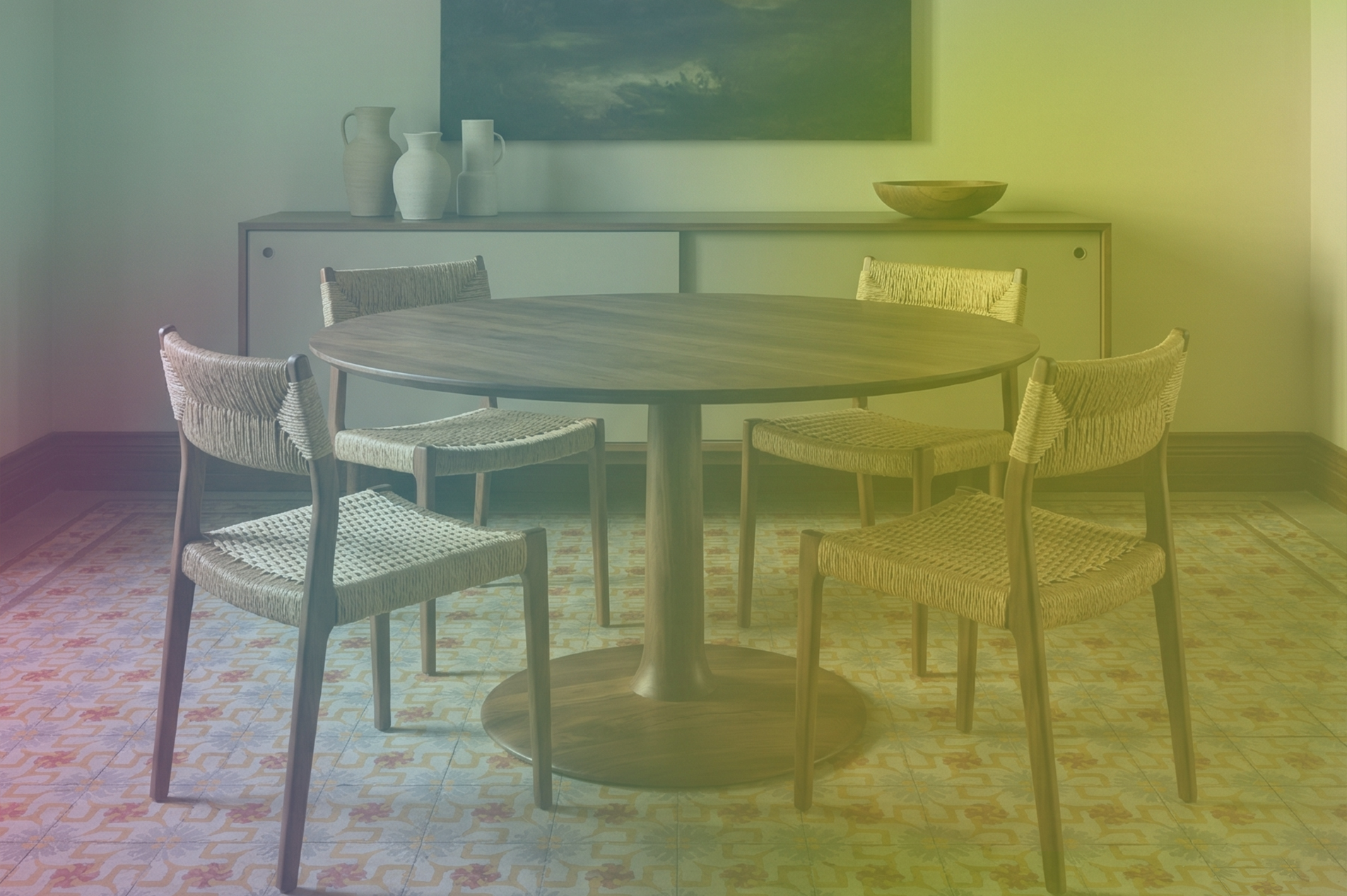

To bridge the gap between the efficiency of online shopping and the emotional resonance of a physical showroom, forward-thinking brands are pivoting to Experience-Driven Commerce. This strategy moves beyond simple transactions to create immersive digital environments—interactive lookbooks, on-site moodboarding tools, and curated style guides—that replicate the discovery process of a design studio.
By transforming the website from a catalog into a canvas, brands can capture the imagination of the affluent consumer and the professional workflow of the interior designer, driving higher engagement, larger basket sizes, and deeper brand loyalty.
The Psychology of "The Project"
Both the high-net-worth individual and the trade professional view furniture not as a standalone object, but as a component of a larger project. They are not shopping for a chair; they are shopping for a "reading corner." They are not buying a pendant light; they are creating "ambiance."
Traditional e-commerce creates friction here by forcing the user to mentally assemble these pieces. They have to tab back and forth between the dining table page and the dining chair page, trying to imagine if the walnut finishes will clash.
Experience-Driven Commerce removes this cognitive load. By providing tools that allow users to visualize products in context and in combination, you are effectively performing the role of a digital design assistant. You are validating their choices before they reach the checkout, reducing the anxiety that leads to cart abandonment.
1. The Interactive Lookbook: Narrative as a Sales Engine
The static PDF lookbook is a relic. It is passive, disconnected from inventory, and offers no path to purchase. The modern alternative is the Shoppable Narrative.
This is a digital editorial that guides the user through a cohesive story—for example, "The Modern Alpine Retreat" or "Parisian Apartment Style." It features high-resolution, full-bleed photography of fully styled rooms. But unlike a print magazine, every element is active.
The Execution:
- Contextual Hotspots: As the user hovers over the image, "hotspots" appear over the products. Clicking a hotspot opens a "Quick View" modal—a mini product page that overlays the lookbook.
- Frictionless Adds: From this modal, the user can select fabric options, view pricing, and "Add to Cart" or "Add to Wishlist" without ever leaving the immersive narrative of the lookbook.
- The "Shop the Room" Bundle: Below the editorial image, offer a "Buy the Look" feature that allows the user to add the sofa, the rug, and the coffee table to their cart in a single click, often with a subtle bundle incentive.
The Result: You are selling the dream, not the SKU. By keeping the user immersed in the aesthetic, you bypass the price-comparison mindset and tap into the emotional desire for the lifestyle presented.
2. On-Site Moodboarding: The Power of Ownership
One of the most powerful psychological triggers in sales is the "Endowment Effect"—the idea that people value things more highly once they feel a sense of ownership over them.
By integrating a Digital Moodboard Builder directly into your site, you invite the user to "play" with your products. This tool allows designers and consumers to drag and drop product images onto a digital canvas, layer them with paint swatches or fabric textures, and visualize how a room comes together.
The Execution:
- The "Project" Folder: Users can create multiple boards for different rooms (e.g., "Guest House Living Room"). This transforms a fleeting browsing session into a saved project file.
- The Trade Utility: For interior designers, this tool is a workflow accelerator. Allow them to export their moodboard as a branded PDF with a complete spec sheet and pricing list attached. This makes your brand the easiest to present to their clients.
- Lead Capture: To save or export the board, the user must create an account. This provides you with high-intent data: not just who they are, but exactly what they are planning to buy.
The Result: High dwell time and high intent. A user who spends 20 minutes curating a moodboard on your site is statistically far more likely to convert than a user who bounces between product pages.
3. The Curated Style Guide: Authority Builds Trust
Affluent consumers often suffer from "Choice Paralysis." They have the budget, but they lack the confidence to mix textures, choose the right rug size, or layer lighting. They are looking for an authority to tell them what is "correct."
The Style Guide serves as this authority. It is educational content that functions as a sales funnel.
The Execution:
- Problem/Solution Format: Create guides that address specific design challenges. "How to Style a Console Table," "The Rules of Rug Sizing," or "Mixing Metals in the Kitchen."
- Integrated Merchandising: Do not just write about it; show it. If the guide discusses "The Rule of Three" for styling a coffee table, immediately display a carousel of your vases, trays, and books that fit that rule.
- The "Designer's Choice": Feature "Staff Picks" or "Designer Favorites" for specific scenarios. "Our Top 3 Sectionals for Large Families." This curation acts as a shortcut for decision-making.
The Result: You position your brand not just as a retailer, but as a design partner. By solving the "how," you earn the sale of the "what."
Measuring the Impact: Beyond Last-Click
The ROI of Experience-Driven Commerce cannot always be measured by immediate "Last Click" attribution. These are mid-funnel assets designed to build confidence and desire over time. To track success, brands must look at deeper engagement metrics:
- Asset Engagement Rate: What percentage of visitors interact with the moodboard tool or flip through the lookbook?
- Assisted Conversions: Using analytics, track how many purchasing customers interacted with a Style Guide or Moodboard earlier in their journey. You will likely find that these "educated" customers have a significantly higher Average Order Value (AOV).
- Sample Requests: For the trade, a moodboard often leads directly to a sample request. Track the conversion from "Board Save" to "Sample Order."
In a crowded digital market, inventory is a commodity, but inspiration is a currency. The furniture brands that win the next decade will not be the ones with the most SKUs or the lowest prices. They will be the ones that create the most compelling digital environments—spaces where customers can dream, design, and discover.
By investing in interactive lookbooks, moodboarding tools, and authoritative style guides, you turn your e-commerce site from a static warehouse into a dynamic destination. You stop selling furniture, and start selling the vision of a better home. And in the high-stakes world of design, the vision is what closes the deal.