
The modern consumer, particularly in the high-consideration design sector, doesn't just buy a product; they buy into a vision, a feeling, and a lifestyle. A simple, sterile product photo, isolated from any context, fails to connect with these emotional drivers. It presents an object, but not its purpose or its soul. To stand out and truly resonate, furniture brands must move beyond the product shot and leverage interior design photography as a powerful tool for crafting a compelling brand narrative.
This approach transforms a photograph from a visual representation into a powerful piece of brand storytelling. It allows a customer to not just see a piece of furniture, but to mentally place themselves in a styled, aspirational environment and envision how that piece will enhance their own life.
The Emotional Connection: The Power of a Lived-In Image
The difference between a product shot and a narrative photograph is the emotional journey it invites the viewer on. A sterile white background highlights the item's form and dimensions, which is useful for technical specifications. But a styled, lived-in image does something more profound: it evokes a feeling.
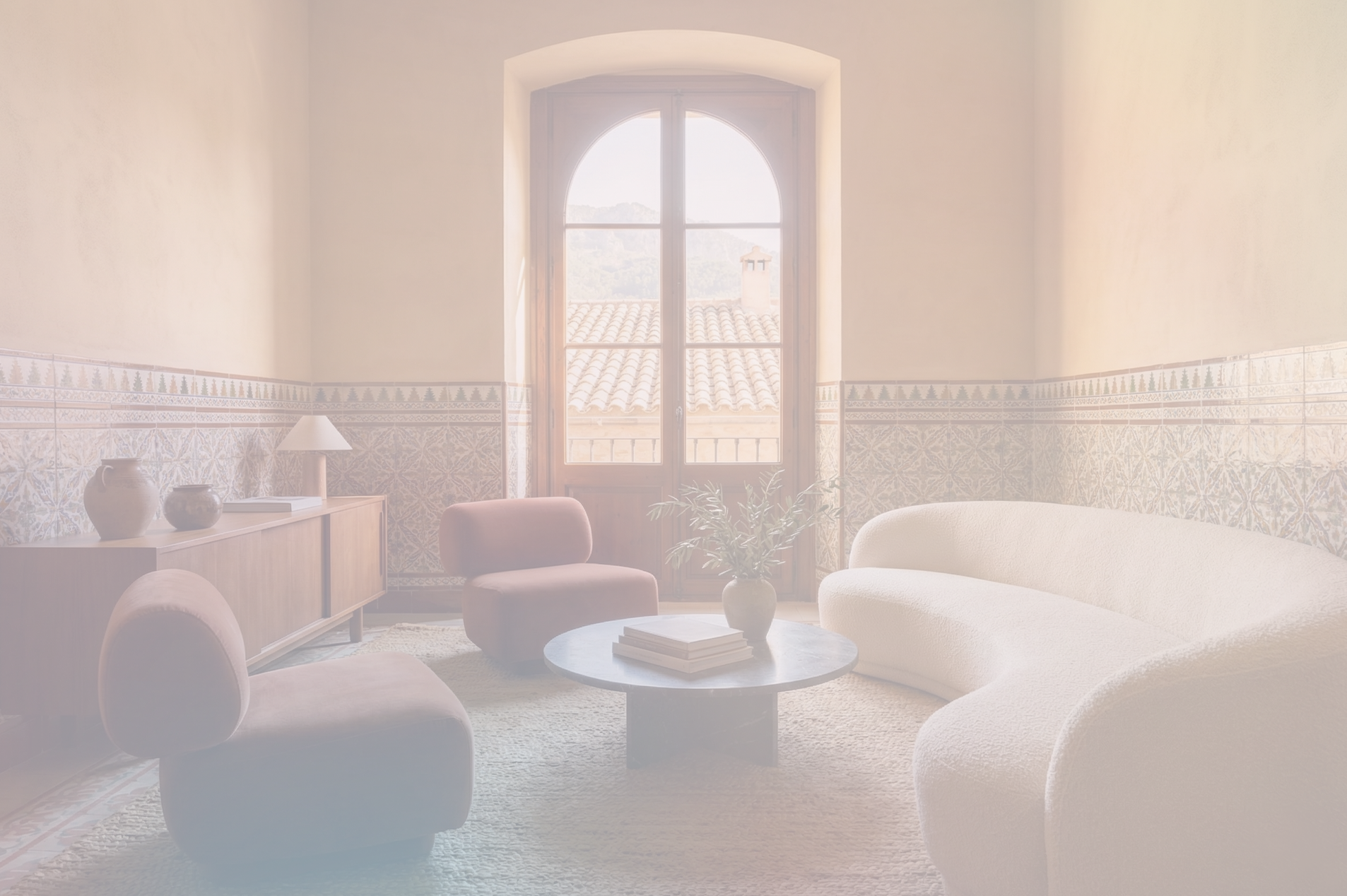
- Aspiration and Lifestyle: A photograph showing a sleek, modern sofa in a sunlit living room with a coffee cup and a book on the table tells a story of tranquility, style, and comfort. The viewer doesn't just see a piece of furniture; they see an aspirational moment they want to be a part of.
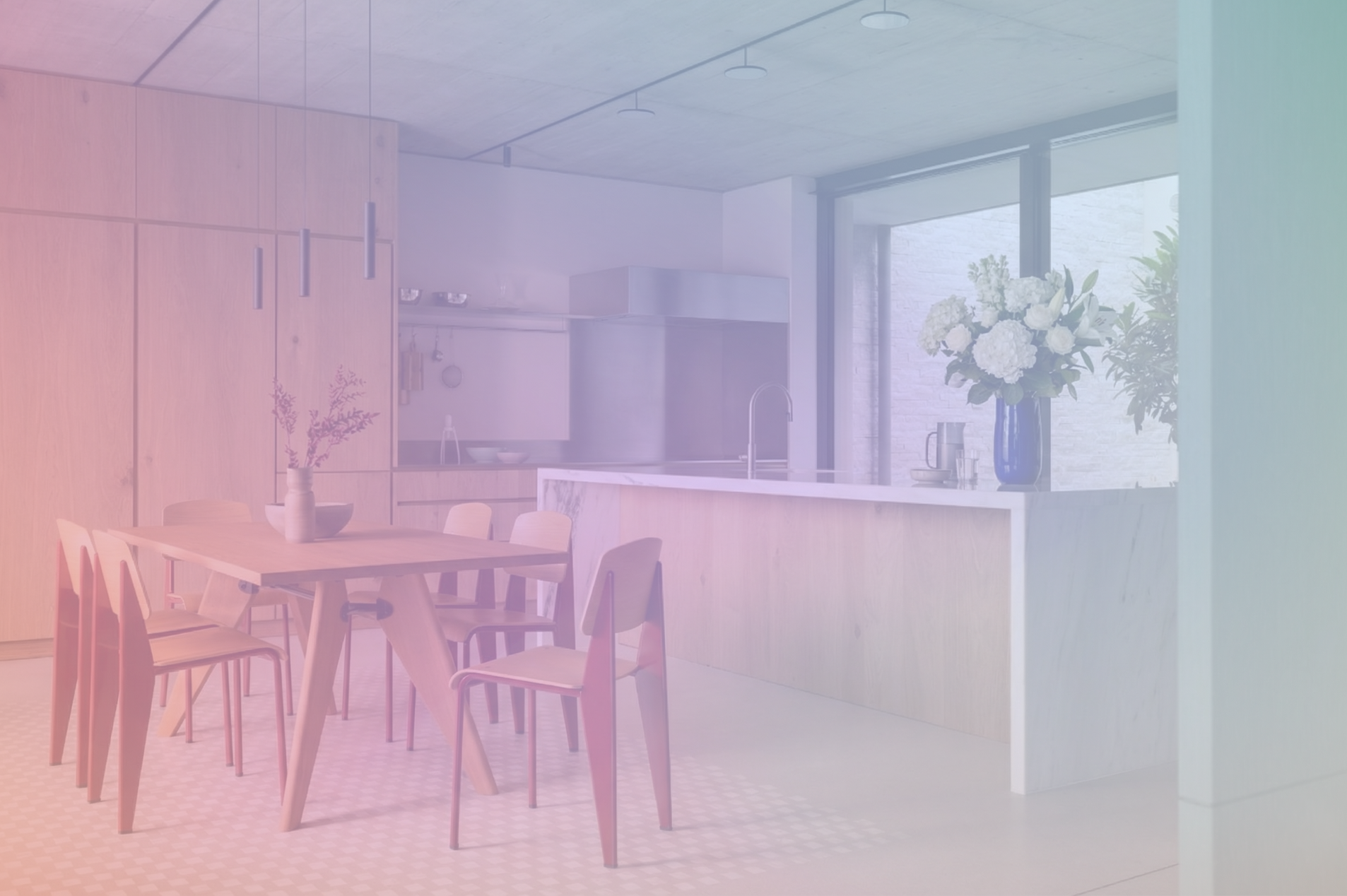
- Context and Scale: By placing a piece within a thoughtfully designed space, a photograph provides crucial context. It helps a customer understand the scale of a piece relative to other furniture and a room's dimensions. It answers the subconscious question, "How would this look in my home?"
- Human Connection: The most effective narrative photographs hint at human presence, even if no person is in the frame. A neatly folded throw blanket, a half-finished puzzle, or a child's toy subtly suggests life and warmth, making the product feel more approachable and authentic.
Core Pillars of Narrative Photography
Crafting a brand narrative through photography is a deliberate, strategic process built on three key pillars:
1. Setting the Scene: The Power of a Prop
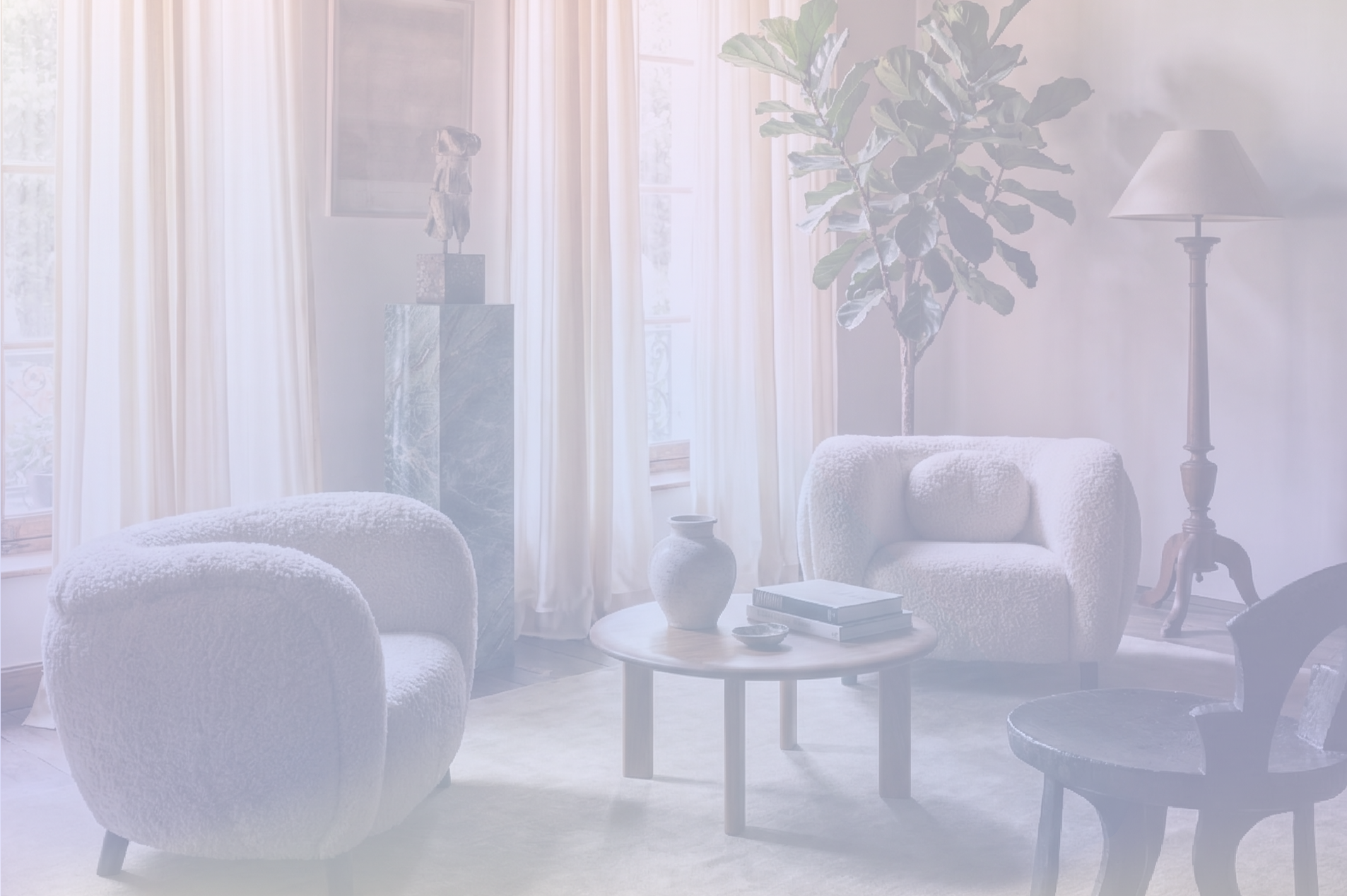
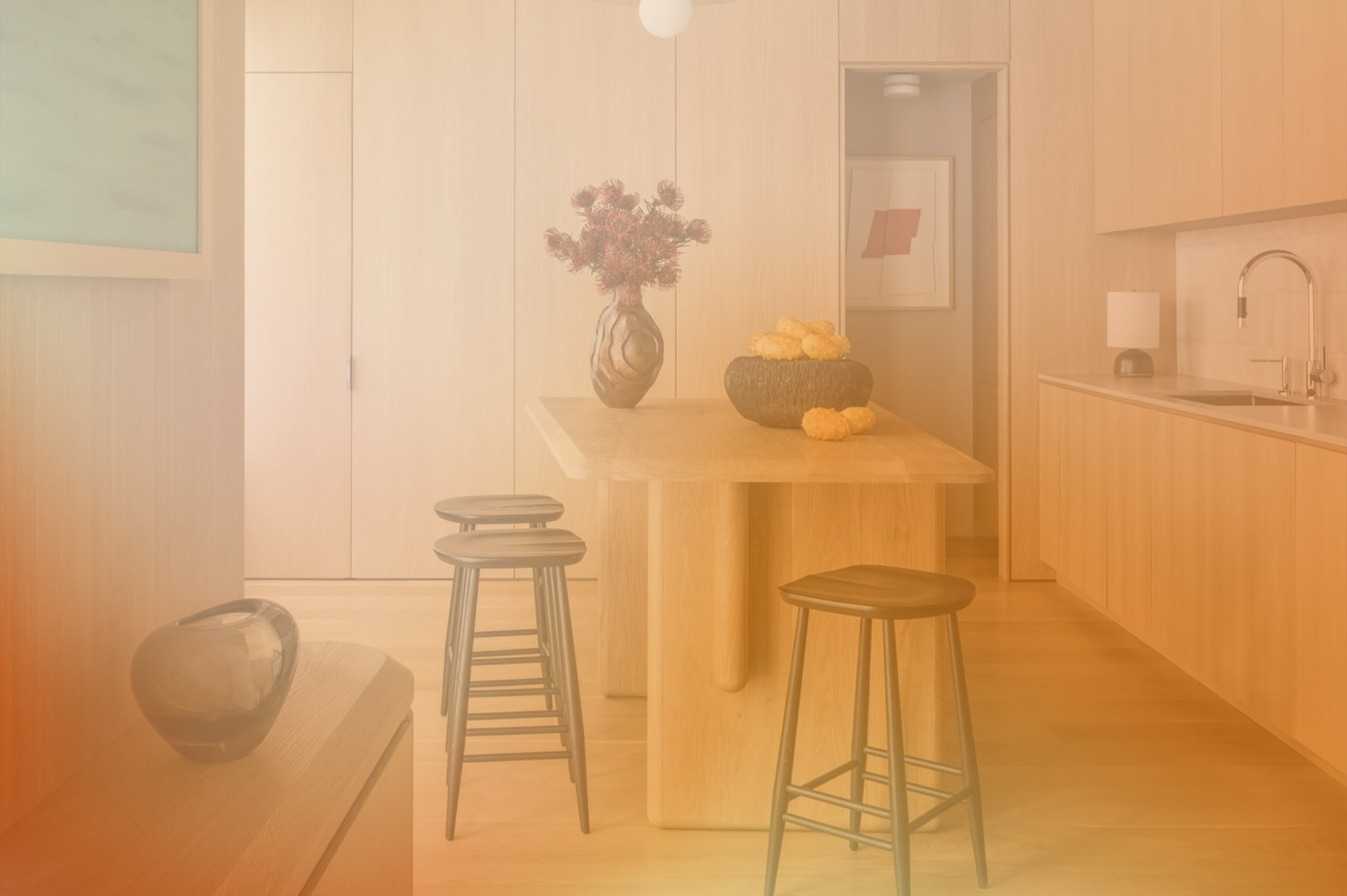
Every element in the frame should be intentional. Props are not random accessories; they are storytellers. A vintage vase, a stack of art books, a carefully selected plant—each item helps to build the world of your brand. The lighting and color palette should also be carefully chosen to reinforce the mood. A warm, golden light might evoke a sense of coziness and nostalgia, while a cool, bright light might signal modernism and minimalism.
2. Highlighting Craftsmanship and Detail
While a narrative photo shows the big picture, it must also include intimate details. Brands should incorporate close-up shots that reveal the unique texture of a fabric, the grain of the wood, the intricate stitching, or the smooth finish of the metal. These detail shots are not just for aesthetics; they are a form of proof that validates the quality and craftsmanship behind the product. They serve to build trust and justify the investment in a high-quality piece of furniture.
3. Evoking Mood and Lifestyle
A brand's photography should be consistent enough to evoke a clear, recognizable mood. This is its visual voice.
- Is your brand about relaxed, effortless style? Your photos should feature soft, natural light, muted color palettes, and slightly undone styling.
- Is your brand about bold, statement pieces? Your photos should be high-contrast, with vibrant colors and striking, geometric compositions.
- Is your brand about timeless, classic design? Your photos should be shot in traditional settings with elegant lighting and refined styling.
A Strategic Blueprint for a Photoshoot
A successful photoshoot is a strategic project, not just a creative one. Here is a blueprint for brands looking to craft their narrative through imagery.
Step 1: Define Your Narrative & Audience. Before a single camera is in the room, articulate your brand's core story. Who is your target customer? What is the feeling you want them to have when they see your product? Is it luxurious, comfortable, sustainable, or all three? This narrative will guide every creative decision.
Step 2: Create a Detailed Mood Board. This is your visual bible for the shoot. It should include inspiration images, color palettes, prop lists, potential locations, and even clothing ideas for models. A comprehensive mood board ensures everyone on the creative team—photographers, stylists, and art directors—is aligned with the brand's vision.
Step 3: Work with the Right Professionals. An amateur can take a good product shot, but a professional team can craft a compelling narrative. Work with photographers and stylists who specialize in interior design and have a track record of creating aspirational, story-driven content. Their expertise in lighting, composition, and prop styling is invaluable.
Step 4: Think Beyond the Static Image. A photoshoot should generate a wealth of content. In addition to high-resolution static images, capture short video clips for social media, behind-the-scenes footage for brand authenticity, and a variety of angles and crops that can be used for your website, email campaigns, and digital ads.
The Photograph as a Strategic Investment
In an increasingly digital world, a brand's visual identity is its most powerful asset. For furniture brands, photography is no longer just a necessity for e-commerce; it is a critical investment in brand identity, trust, and emotional connection. By moving beyond the sterile product shot and embracing a narrative-driven approach, a brand can tell a story that resonates with its audience on a deeper level. The images you create today are not just selling products; they are building the world your customers want to live in tomorrow.