


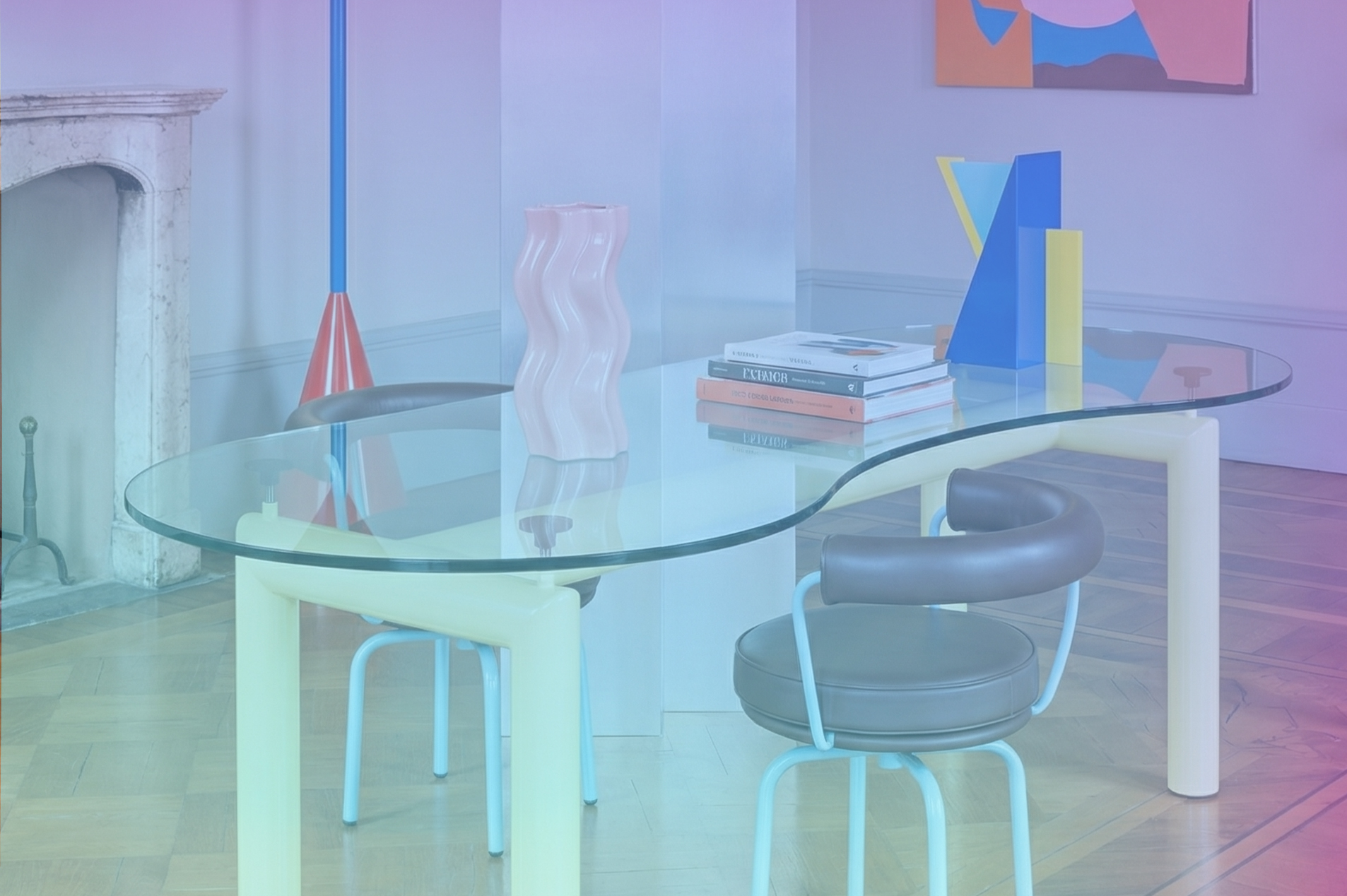

There is a point where the digital interface, no matter how sophisticated, hits a wall of human hesitation. A customer can read about "down-wrapped high-density foam" a dozen times, but they cannot feel it. They can see a high-resolution image of "burnished brass," but they cannot gauge how it catches the light. This "sensory gap" creates a mid-funnel stagnation, where high-intent traffic idles, adds to cart, and then abandons.
The solution to bridging this gap is not more technology. It is the strategic reintroduction of the human element.
Enter the Pre-Purchase Concierge. Unlike traditional "Customer Support," which is reactive and operational (focused on "Where is my order?"), the Concierge model is proactive and sales-driven (focused on "Is this the right piece for you?"). By operationalizing chat, video consultations, and design callbacks, brands can replicate the assurance of a physical showroom and turn hesitant browsers into confident buyers.
The Mid-Funnel Stagnation: Why Clicks Don't Turn to Cash
To understand the value of the Concierge, we must first understand the anxiety of the mid-funnel buyer. This customer has moved past the inspiration phase. They have identified a need and found a potential solution on your site. However, the risk profile of buying furniture online is exceptionally high.
The hesitation stems from three specific fears:
- Aesthetic Risk: "Will the color look different in my living room?"
- Comfort Risk: "Is it too firm? Is the seat too deep?"
- Logistical Risk: "Will it fit through the doorway? What if I have to return it?"
An FAQ page cannot assuage these fears. A bot cannot empathize with them. Only a human conversation can validate the purchase decision. The Concierge functions as a digital interior designer, intervening at the critical moment of doubt to provide the confidence needed to convert.
Pillar 1: Operationalizing Intelligent Chat
Most e-commerce chat functions are passive receptacles for complaints. To drive revenue, chat must be transformed into an active sales channel. This requires a shift in both technology triggers and agent training.
The Trigger Strategy: Instead of a generic "How can I help?" bubble that appears immediately, use behavioral triggers to identify high-intent, high-hesitation users.
- Time on Page: If a user spends more than 90 seconds on a specific product detail page (PDP), trigger a prompt. If a user adds an item to the cart but doesn't check out within 5-10 minutes, trigger a message.
The "Stylist" Persona: The agents manning this chat should not be outsourced support staff reading from a script. They should be trained on product knowledge and design principles. They are "Design Consultants" or "Product Specialists." Their goal is not to close a ticket, but to deepen the engagement. A successful interaction isn't answering "What are the dimensions?"—it's following up with, "That sofa is 96 inches wide. Have you measured your elevator or hallway to ensure it will fit during delivery?"
Pillar 2: The Video Consult as the "Virtual Showroom"
For brands without a vast physical footprint, the warehouse or a small studio space can become a powerful sales asset through video commerce.
A "Virtual Showroom Visit" is a scheduled 15-to-30-minute video call where a product specialist walks the customer through the specific piece they are considering. This is the highest-converting tool in the Concierge arsenal because it dismantles the sensory gap.
Execution Tactics:
- The "Sit Test": The most common question in online furniture sales is, "How does it sit?" On video, a specialist can physically sit on the sofa, demonstrating the sink-in factor, the back height relative to a person, and the fabric's movement.
- Texture Demonstration: High-definition video allows the specialist to bring the camera close to the material, showing the weave of a boucle or the grain of the wood in real-time lighting, which often feels more "truthful" to a customer than a retouched studio image.
- Comparisons: If a customer is torn between two armchairs, the specialist can place them side-by-side, offering an immediate visual comparison of scale and silhouette that is impossible to achieve by flipping between browser tabs.
Pillar 3: The Rapid Design Callback
Speed is a currency in sales. When a potential customer submits a "Trade Inquiry" form or requests a complex custom quote, the standard response time in the industry is often 24 to 48 hours via email.
The Concierge model prioritizes Speed to Lead. A phone call within 30 minutes of a high-value inquiry has a drastically higher conversion rate than an email sent the next day.
Measuring Success: The Concierge KPIs
To justify the investment in a human Concierge team, you must measure them differently from a support team. "Average Handle Time" is a metric for cutting costs; "Conversion Rate" is a metric for driving growth.
- Assisted Conversion Rate: Track the conversion rate of customers who interacted with a Concierge (chat, video, or phone) versus those who did not. In high-ticket retail, assisted rates are often 3x to 4x higher.
- Average Order Value (AOV) Lift: A human agent is capable of intelligent cross-selling. ("That coffee table is beautiful. Have you seen the side table that matches the brass detailing?") Measure the AOV of assisted sales to quantify this uplift.
- Return Rate Reduction: By validating expectations regarding color, comfort, and size before the purchase, the Concierge team should directly correlate to a decrease in returns.
In a crowded e-commerce landscape, product specs and beautiful imagery are table stakes. The true differentiator for the modern furniture brand is the ability to offer confidence. The Pre-Purchase Concierge operationalizes this confidence. It transforms the cold anonymity of a digital transaction into a warm, guided relationship.


